
I had a moment this week that sums up the entire 2026 AI pricing landscape better than any benchmark table could.
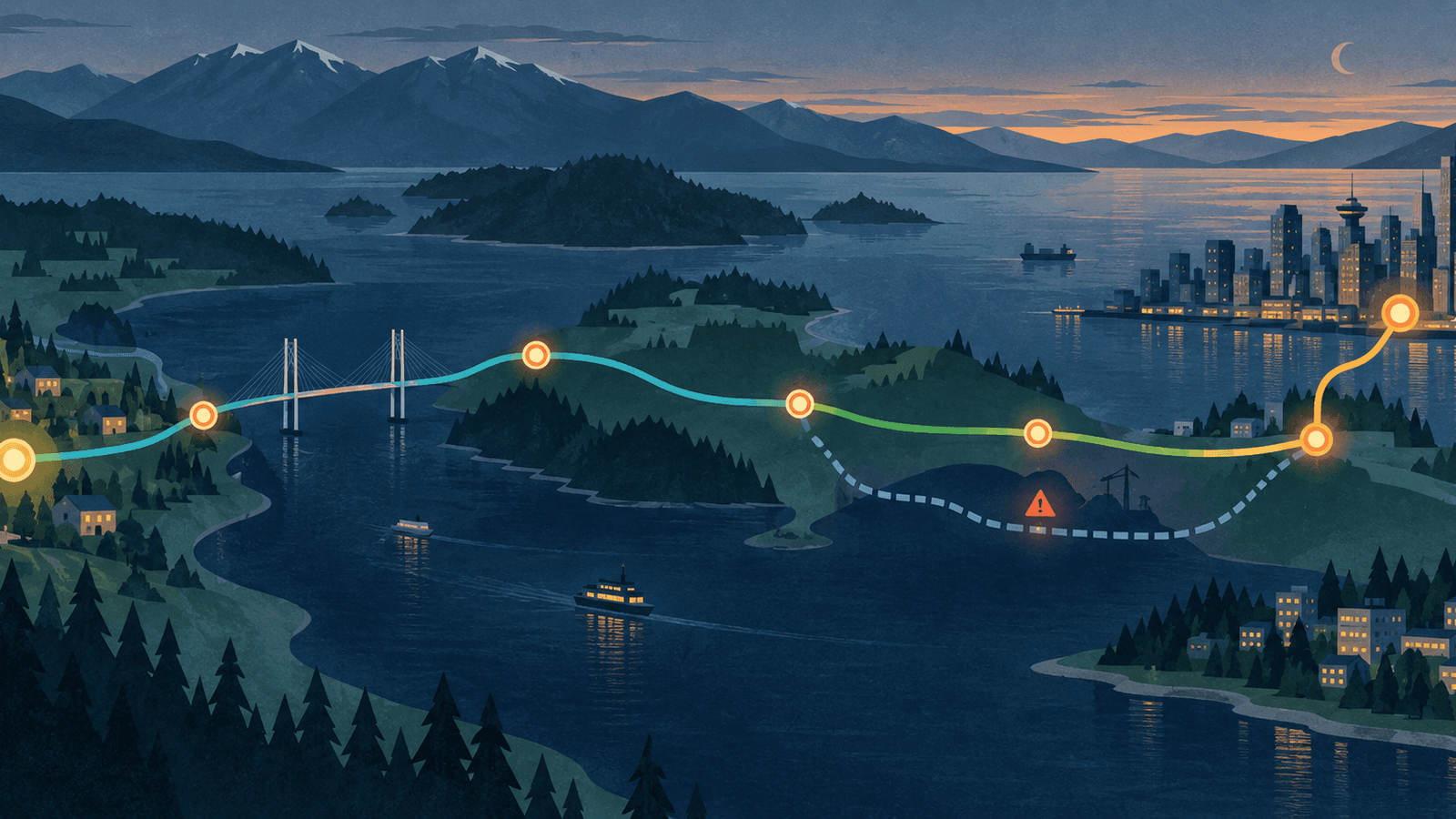
My AI agent was mid-conversation when Kimi — the $99-per-month Moonshot model from Beijing that serves as my daily driver — hit its weekly quota. The system fell back silently to Qwen, Alibaba's $6 token-plan model from Hangzhou. I didn't notice the switch. The conversation just kept going, same tone, same quality, same results.
Then my agent, now running on Qwen, made a geography mistake so perfect it belongs in a textbook. It called Kimi "the American-adjacent subscription" while literally running on a Chinese model that couldn't tell its own countrymen from the Americans. Qwen face-planted on basic geography while successfully handling a production failover. The irony writes itself.
What's instructive isn't the mistake. It's that the mistake happened on a model that had silently absorbed a failure without breaking stride, while the $99 subscription — also Chinese, as it turns out — was the thing that broke.
The price gap
The numbers in my own stack tell the story better than any market report:
- Kimi K3 (Beijing): $99/month with a weekly cap. Hit the wall mid-sentence.
- Qwen 3.8 Max (Hangzhou): ~$6 on a token plan with a 10% promo burn rate during preview. Caught the fall without a hiccup.
- DeepSeek V4 Pro (Hangzhou): $0.435 per million input tokens, $0.87 output. The emergency leg, essentially pennies.
Compare that to the American side: GPT-5.6 at $5 per million input and $30 per million output. Claude Opus 4.8 at $5 in, $25 out. That's not a 2x or 3x gap — it's 34x on output tokens versus DeepSeek's frontier-class model. For a typical agent workload burning through hundreds of thousands of tokens per day, the difference is the gap between "I'll throw another $20 on the balance" and "I need to check my credit card statement."
The quality gap closed
DeepSeek V4 Pro scores 80.6% on SWE-bench Verified — within single digits of any Western frontier model. Kimi K3 hits 93.5% on GPQA Diamond reasoning and sits at #1 in the human-preference coding arena. Qwen 3.8 Max scored 80.4% on SWE-bench with the lowest hallucination rate of any frontier model. For agentic work — coding, tool use, long-context reasoning, endurance — these three models are competitive with anything from San Francisco. For multi-step autonomous agent workflows specifically, K3 is arguably the best model in the world right now.
The American price premium was always built on the assumption of a capability gap. That assumption is dead. What you're paying for now at OpenAI and Anthropic is the top sliver of capability on the hardest problems, a deeper tooling ecosystem, and enterprise compliance boxes you may or may not need. For everything else — the 80% of prompts where "good enough at a tenth of the price" is the only rational answer — the Chinese stack wins. Not on ideology. On math.
The market already noticed
According to CNBC's July 2026 reporting, US developers routed more than 30% of their API tokens to Chinese models every week since February, peaking at 46%. The US-model share on OpenRouter collapsed from roughly 70% to 30% over the same period. Companies like Lindy moved their entire traffic to DeepSeek. This isn't a prediction — it's the new default for cost-sensitive workloads.
The subscription design itself is telling. OpenAI gives you a 5-hour rate window, a weekly cap, and "temporary" suspensions announced on social media. Claude Pro's programmatic cap at roughly 2.2 million Sonnet tokens per month is useless for any serious agent workload. These are subscriptions designed by growth teams, not engineers. Meanwhile, DeepSeek has no quota at all — just a balance. You put money in, you get tokens out. Qwen runs a promo burn rate that makes it ten times cheaper than its already-low list price. The Chinese labs compete on infrastructure efficiency; the American labs compete on brand recognition.
The commodity layer won
None of this is an argument that OpenAI and Anthropic will fail. They won't. The enterprise market needs SOC2 reports, data residency guarantees, indemnification clauses, and a throat to choke. That market is real, it's large, and it pays the premium gladly. But for individual developers, tinkerers, and anyone running autonomous agents at scale, the question in mid-2026 isn't "which model?" It's "which Chinese models, in which order?"
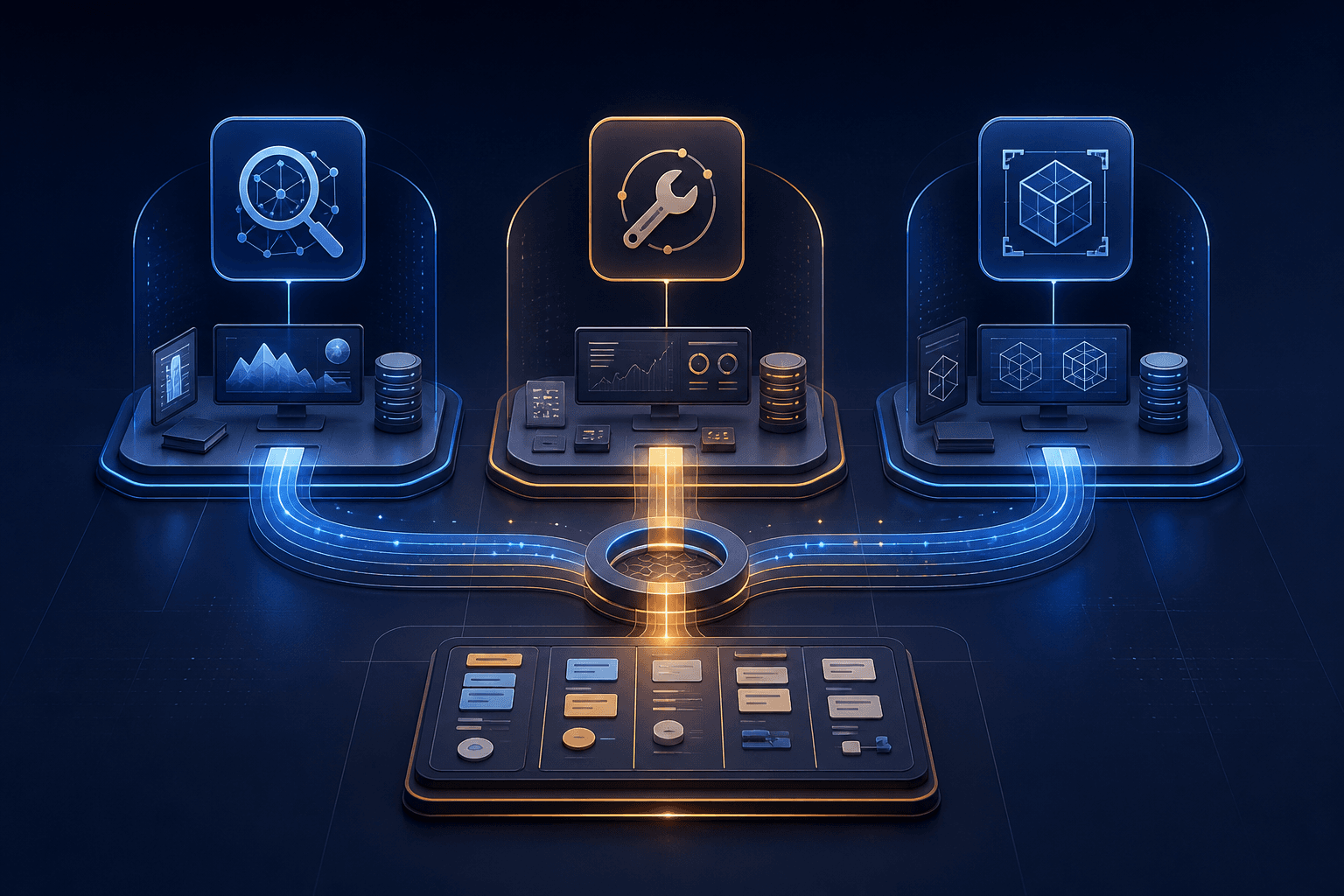
My stack is now Kimi → Qwen → DeepSeek, with the sole American holdout — GPT-5.6 Sol via ChatGPT Plus — walking out the door. Three models from Beijing and Hangzhou, one from San Francisco, and it's the San Francisco one getting cut. Each leg is best at its role: K3 for endurance and tool-heavy agent work, Qwen for low-hallucination reliability, DeepSeek for the cheapest emergency bridge that doesn't cap out.
The American AI stack didn't lose on quality. It lost on the proposition that slightly better is always worth massively more. For most actual work, it isn't. The commodity layer won, and the only people who haven't noticed yet are still paying for it.