
When my AI agent went silent mid-task last week, my first thought was the Great Firewall.
Chinese censorship. The obvious answer, given the model I was using. I have been running Kimi K3, the latest from Beijing-based Moonshot AI, as my daily driver. It is fast, cheap, and genuinely competitive with the American models on reasoning capability. But it went mute during a task involving content its provider's filters apparently didn't like, and my brain immediately reached for the geopolitical explanation: China was reading my prompts and deciding what I could ask.
I was mostly wrong.
A question I actually asked, then followed up
I followed up with my agent — one of the American models in my fallback chain picked up after Kimi dropped — and asked: "Kimi was blocking me, right? Chinese censorship?"
The answer that came back was more nuanced than my assumption. Yes, Kimi refused the task. But no, it probably was not the Great Firewall reaching into a Coquitlam apartment. It was the provider's content policy, applied uniformly across the "international" endpoint, operating from servers in Singapore.
I'll pause here, because "international endpoint" turns out to be the phrase where most people — myself included — get confused.
"International" means billing jurisdiction, not a different company
When a Chinese AI company offers an international API endpoint, the word "international" typically refers to the product surface: separate billing, separate keys, and sometimes separate infrastructure. Moonshot stores international-user data on servers in Singapore, a materially different legal jurisdiction.
But "international" does not mean "this is now an American company's model." The same organization built it. The same alignment team shaped it. And Moonshot, like every Chinese tech company of significant scale, operates under a regulatory framework that makes content filtering a compliance requirement, not a public-relations talking point.
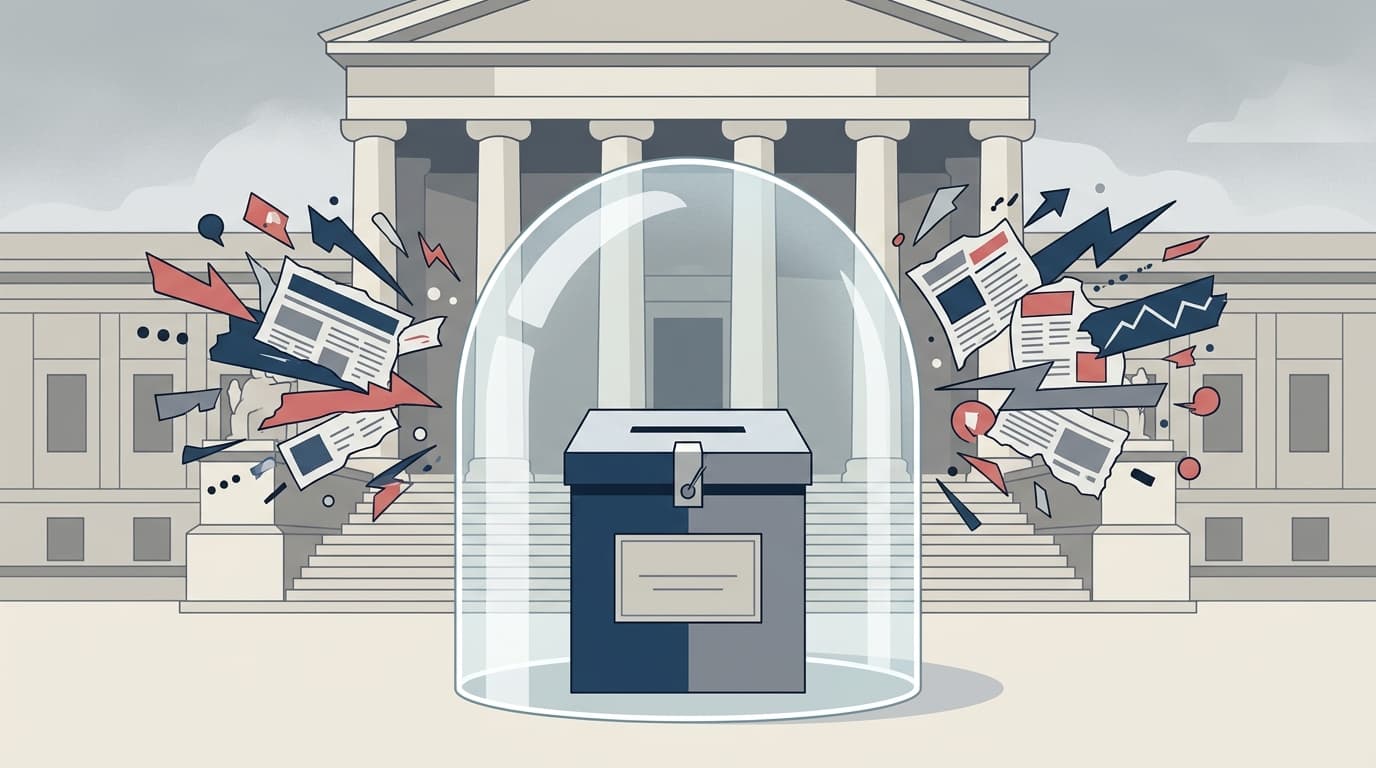
China's Interim Measures for the Management of Generative AI Services, effective since August 2023, require that AI-generated content "uphold the core socialist values" and must not produce output that incites subversion of state power, threatens national security, or spreads harmful information. In April 2026, new regulations on anthropomorphic AI interaction services extended those requirements further, adding prohibitions on content that encourages self-harm, induces emotional dependence, or damages real-world relationships. The requirements are real, legally enforceable, and apply to every provider operating from Beijing — whether your request hits the domestic endpoint or the international one.
Chinese models don't all censor the same way
This is where the story gets interesting and resists a clean hot take.
A study from Stanford University published in 2026 found that Chinese-origin models refuse sensitive political topics at higher rates than Western models. But "Chinese model equals censored" is a group average, not an iron law. Independent testing by Ellamind across 168 censorship-sensitive prompts found that Moonshot's own Kimi K2.5 successfully handled 98.8% of tests — matching Claude and GPT on engagement metrics — while DeepSeek failed 81% of the same prompts. Same country. Same regulatory framework. Completely different behavior.
What that tells me is that content filtering in practice is a post-training alignment decision, not a mechanical consequence of where a company was incorporated. Some Chinese providers bake censorship deeply into their model weights. Others keep it lighter, closer to what you would see from an especially cautious Western provider. The label "Chinese model" tells you about jurisdiction risk. It does not tell you about refusal rates.
Your provider has refusal classes, wherever it is headquartered
Here is the part that I suspect makes some Western readers uncomfortable: American models have refusal classes too.
Claude will not help you build weapons. GPT will not write phishing emails. DeepSeek will not discuss Tiananmen. Kimi will not process certain categories of adult content. Each of these is a line drawn by a company and a culture, not an economic zone. The geopolitical origin of the company gives you a rough heuristic for where the lines are drawn, but the heuristic leaks. A Beijing model might filter historical topics while being permissive about technical domains where an OpenAI model starts refusing for safety reasons. The refusal matrices have overlapping but non-identical coverage.
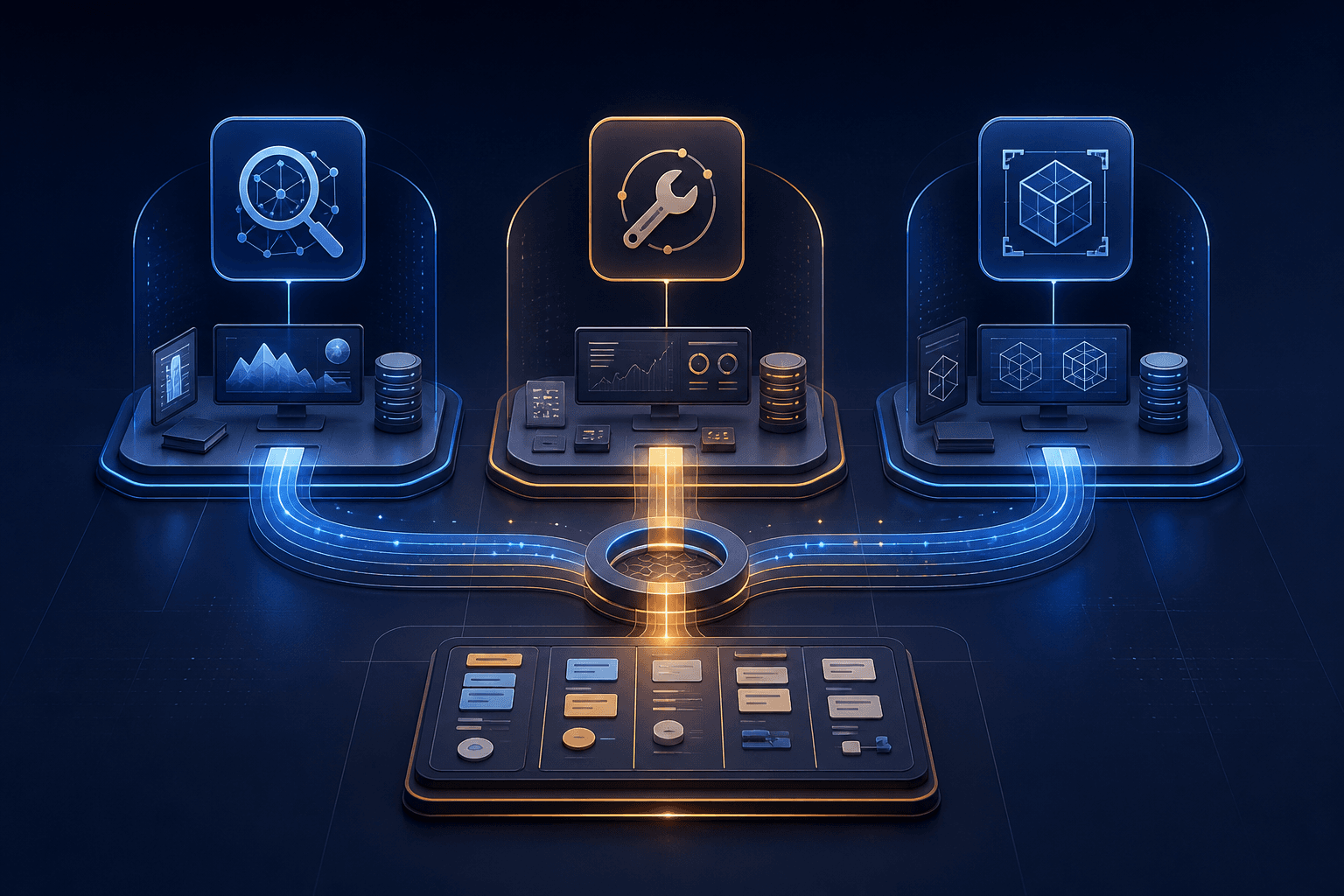
This matters for anyone running multiple models in production. Provider diversity is not just a cost-optimization strategy. It is a refusal-mitigation strategy. When one model declines a task, another may accept it — not because one is "less censored" but because they are differently aligned. My four-provider fallback chain exists partly because I do not want to be blocked by any single company's policy. Most days, most models, I get a useful answer.
Match the model to the workload
The practical outcome I landed on is simple enough to be boring, which is how I know it is probably right.
Treat "international endpoint" the same way you treat "cloud region." It matters for where your data sits and which legal jurisdiction applies. It does not fundamentally change who the company is or what its training pipeline encodes. If you are routing prompts through a Beijing-founded provider, you are operating under that provider's content policy, whether the server answering you is in Shanghai, Singapore, or Seattle.
And if a model refuses a task you think is legitimate — don't assume censorship first. A timeout, an empty response, a tool-call loop that terminates early — these can all look exactly like policy filtering. I assumed the Great Firewall because it makes a dramatic story. The real answer was a terms-of-service document I had never read and a failure mode I had never debugged.
The Great Firewall is real. So is the fine print. Most of the time, the fine print reaches you first.