
A new model showing up in release notes creates a very particular itch.
You can see the capability is close. You can see the name. You can even find the code path that appears to support it. Then you open the tool you actually use and… nothing. No picker entry. No clean switch. Just a gap between “this exists” and “I can use it without turning my setup into a tiny archaeological dig.”
That happened to me with GPT-6-Astra recently. My first instinct was the usual tinkerer instinct: surely there is a flag somewhere. Maybe an upstream build. Maybe a manual configuration. Maybe one more tab.
I stopped myself.
Not because I suddenly became patient. That would be a suspicious character development. I stopped because I have learned that “supported” is one of the slipperiest words in software.
Support is not a single checkbox
We talk about support as if it flips from false to true in one release. In reality, it often arrives in layers.
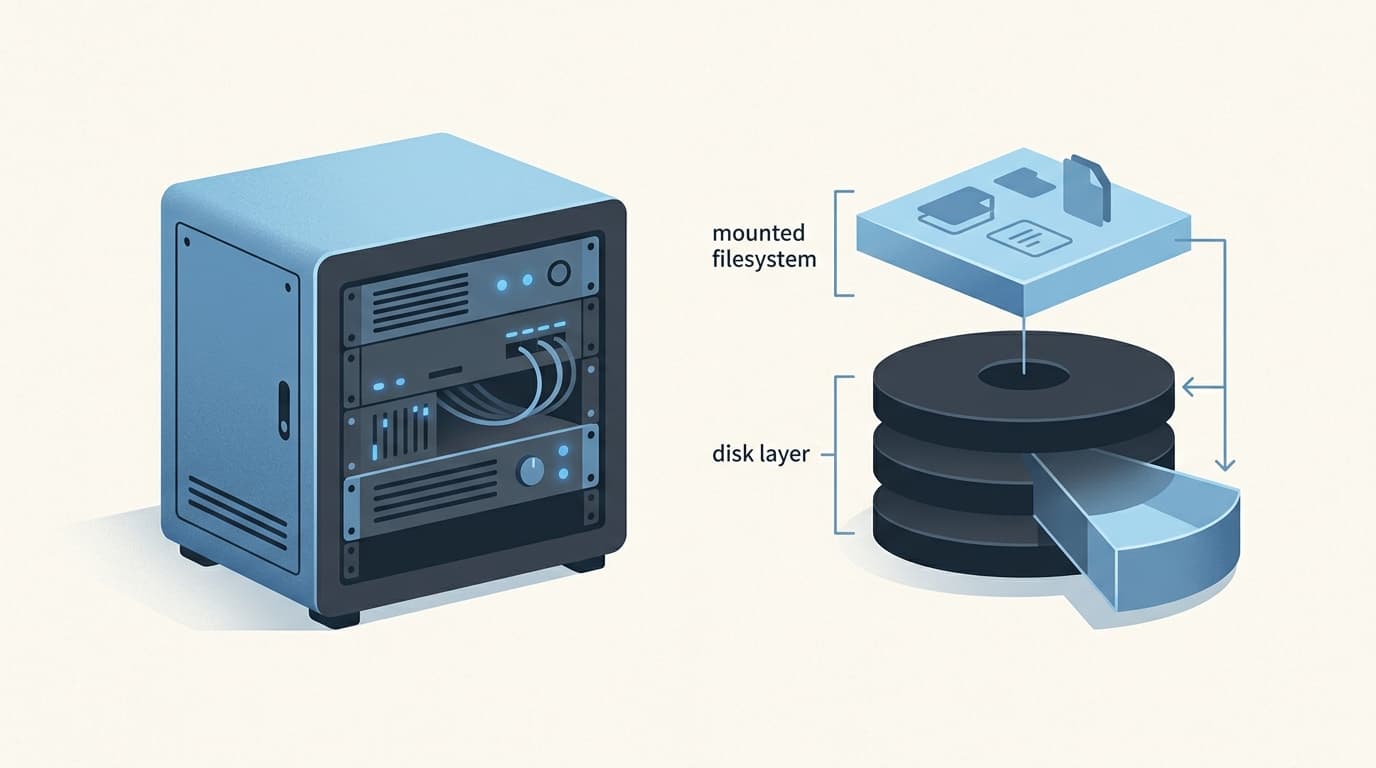
A runtime might know how to talk to a model before the user-facing picker exposes it. A configuration path might exist before the default behaviour makes sense. Documentation might land after both. And a higher-level tool that wraps the runtime can take its own time catching up.
That is not necessarily a bug. It is just what happens when software is built in pieces by people who are trying not to break everyone’s existing setup on a Tuesday afternoon.
The recent Codex release sequence is a clean little example. Codex 0.153.1, published on September 3, 2026, added support for configuring GPT-6-Astra through the API. The same release explicitly left the default model unchanged and did not show GPT-6-Astra in the model picker.
One day later, Codex 0.153.4 fixed the bundled model picker visibility and made GPT-6-Astra the bundled default only when no model was explicitly configured.
That is a small release-note detail, but it says a lot. The model did not go from imaginary to real overnight. The first release covered one layer. The next release covered more of the experience people expect when they hear the word “support.”
The tempting workaround
When I hit a gap like this, I can usually imagine a way around it.
Install a newer upstream version. Override a setting. Add something manually. Hope the layer above it accepts the change. Then spend the rest of the evening figuring out which part of the stack is annoyed by my cleverness.
Sometimes that is exactly the right move. If I am experimenting in a disposable environment, breaking things is part of the fun. A messy test teaches me something.
But my regular coding setup is not a disposable environment. It is where I want tools to be boring enough that I can spend my energy on the actual work. There is a big difference between exploring a new capability and quietly making your daily workflow depend on a path that has not settled yet.
The danger is not only that the workaround fails immediately. Immediate failure is almost polite. The annoying version is when it mostly works, until an update changes one assumption and you are left debugging a problem you created on purpose.
I have enough self-inflicted side quests already. I do not need to manufacture another one because a shiny model name appeared in a changelog.
Waiting is an engineering decision
“Wait for native support” can sound passive, like giving up. I think it is often the more active choice.
It means deciding what reliability is worth. It means noticing that a toolchain is more than the lowest-level component that happens to have an API option. And it means refusing to confuse access with a usable workflow.
For me, the practical test is simple:
- Can I select the thing through the path I normally use?
- Is the behaviour documented well enough that I know what will happen after an update?
- If it fails, can I tell whether the problem belongs to the model, the runtime, or the integration around it?
- Is this an experiment, or am I about to make it part of something I rely on?
If the answers are fuzzy, I can wait.
That does not mean waiting blindly. Release notes are useful precisely because they show which layer changed. In this case, 0.153.1 told me the configuration support existed. 0.153.4 told me the picker and unconfigured-default behaviour had caught up. That is better information than guessing from a model name in a menu, because it gives the change a shape.
The boring setup wins
There is a version of technical confidence that looks like always finding the unofficial route first. The curiosity behind that is useful, but confidence can also look like restraint.
A stable setup is not less technical because it has fewer secret switches. It is often more technical because someone has done the unglamorous work of defining defaults, exposing controls, and making the pieces agree with each other.
The lesson I am keeping from this is not “never try new things.” That would be a terrible rule for someone who likes building things. It is that support can arrive in layers, and the layer that matters most depends on what I am trying to do.
For an experiment, API configuration might be enough. For a daily tool, I want the picker, the defaults, the documentation, and the integration to stop arguing with each other.
So I waited.
The new model will still be there when the path to it is properly paved. My evening, ideally, will not be spent digging a tunnel beside the road.