
GitHub Actions workflows can look deceptively ordinary. A workflow starts when someone opens a pull request. It runs tests. It leaves a comment. It adds a label. Nothing about that sentence sounds like a high-stakes permission decision.
But triggers are not just scheduling labels. In the wrong combination, they decide whether pull-request-controlled content meets repository credentials or write access. That is why pull_request_target deserves a closer look before GitHub’s upcoming default-rule enforcement for affected public repositories.
GitHub says its workflow execution protections are generally available. Its September 17 announcement says a default rule for pull_request_target is already evaluating affected public repositories that were using the default policy before general availability, with enforcement scheduled for November 2, 2026. The rule does not apply to private or internal repositories, and it is not a prediction that every public repository will break. It is, however, a useful deadline for maintainers who accept pull requests from forks.
The practical question is not “Is pull_request_target bad?” That question is too blunt to help. The better question is: what can an outside contributor cause this workflow to do, and what authority does the workflow carry while doing it?
What changes on November 2?
For the affected public repositories in GitHub’s rollout, a default rule will move from evaluation to enforcement on November 2. Evaluation is useful because it shows what the rule would block before the rule blocks it. That gives maintainers a chance to inspect workflows deliberately instead of discovering a policy change in the middle of a contribution or release.
There is one wrinkle to keep in view, and it has since smoothed out. When this piece was first drafted, GitHub’s September 17 changelog called workflow execution protections generally available while the corresponding documentation page still carried a public-preview label. As of the October 11, 2026 re-check, the Docs no longer disagree: the page has been restructured as “Controlling who can execute GitHub Actions workflows,” the preview label is gone, and a dedicated pull_request_target reference now documents the default policy with the same November 2, 2026 enforcement date. Keep the habit anyway: re-check both pages before publishing or acting on this deadline. Product rollouts enjoy changing their signage while you are still looking at the map.
Why the trigger matters
GitHub’s secure-use guidance flags a risky pattern: a privileged workflow triggered by pull_request_target or workflow_run checks out and executes untrusted pull-request content. A pull request can change more than application code. It can influence dependency files, build inputs, scripts, test fixtures, and other artifacts a job consumes. If that job also has secrets or meaningful write permissions, the boundary has become much more interesting than a routine CI run.
That does not mean every pull_request_target workflow is automatically unsafe. A workflow that performs a narrow, privileged interaction without checking out or executing pull-request-controlled content is materially different from a build or test job that does. A commenter or labeler may genuinely need base-repository context; a job that installs dependencies and runs code from a fork is a different category of decision.
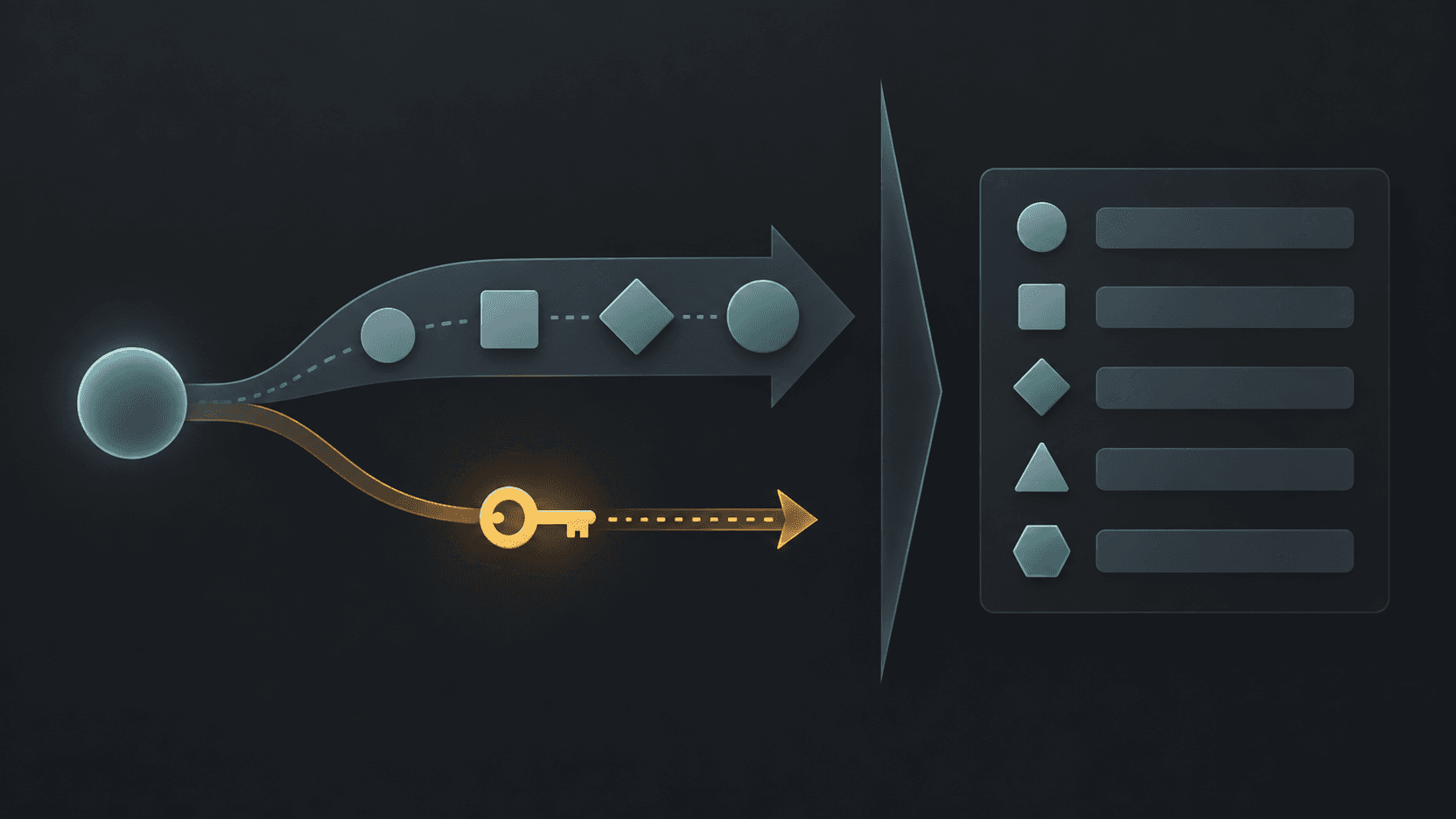
GitHub Security Lab’s guidance makes the separation concrete. Where pull-request code needs to be built or tested, do that work under the ordinary pull_request trigger with no privileged follow-up smuggled into the same job. If a privileged action is necessary later, limit it to validated, passive results and treat any artifact originating from untrusted processing as untrusted too.
That last clause matters. Moving a result through an artifact is not a magic spell that turns it trustworthy. It just gives the result a new envelope.
Use this PR trigger audit card
Print this, paste it into an issue, or use it as a review checklist. The goal is inspection, not a sweeping rewrite of every workflow file.
PR trigger audit card
- Inventory: Which workflow files use
pull_request_target?- Exposure: Can a fork author cause the workflow to check out, install, build, test, or otherwise execute pull-request-controlled code or artifacts?
- Authority: What repository write permission, token scope, or secret does the job actually need? Set the job token to the minimum documented permission rather than relying on defaults.
- Separation: If pull-request code must be built or tested, can that happen in an unprivileged
pull_requestworkflow, with any privileged follow-up limited to passive, validated results?- Change readiness: For an affected public repository, use GitHub’s evaluation or Insights result before November 2. Then remove an unnecessary trigger, or explicitly allow-list only a reviewed workflow that genuinely needs it and has had a test run.
Safety stop: Do not run untrusted pull-request code in a privileged trigger merely to make the audit pass. Do not assume
workflow_runis automatically safe; it is also a privileged boundary that needs careful handling.
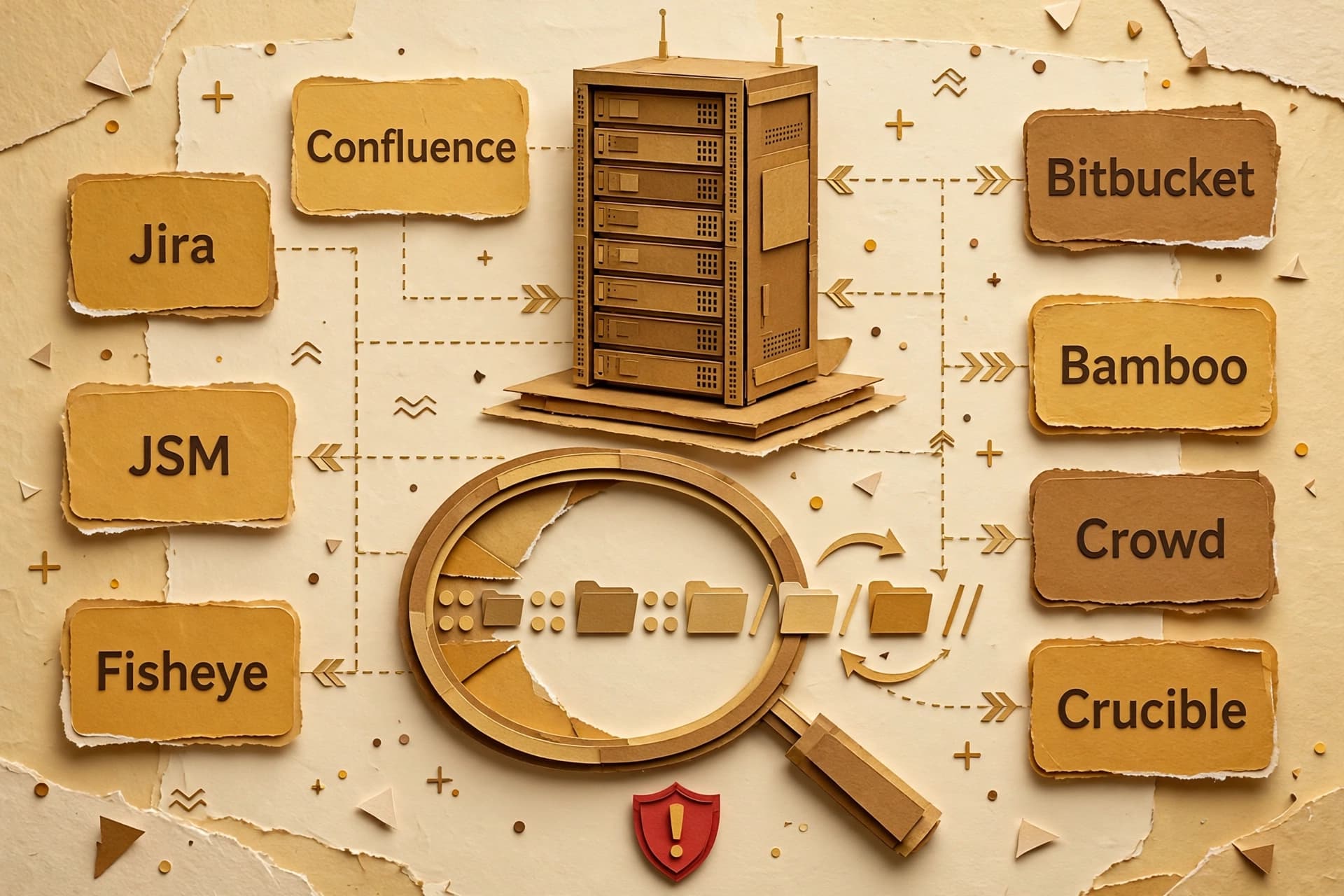
Start with inventory rather than a policy change. Search workflow files for pull_request_target, then read each job as a chain: trigger, checkout or inputs, execution, permissions, secrets, and outputs. This is slow in the useful way. It replaces a vague feeling of “we have CI” with a specific answer about what a contributor can influence.
Next, separate intent from accident. A workflow that labels a pull request might be using pull_request_target intentionally. A test workflow that inherited the trigger while also checking out the pull request may not be. The audit card gives both workflows a chance to explain themselves without pretending they have the same risk.
Finally, use the evaluation signal as a prompt to test the smallest change. Removing an unnecessary privileged trigger is different from broadening an exception. If a workflow truly needs a privileged interaction, allow-list only that reviewed workflow under the protection GitHub provides, and keep its contact with untrusted inputs as narrow as possible.
This is not a complete repository-security audit, and it cannot guarantee a repository will never be compromised. It is a focused maintenance pass around one permission boundary. Still, that is exactly why it is worth doing before a dated enforcement change turns a subtle workflow choice into an urgent one.