
Could I replace my whole assistant setup with a $20 Google subscription? I genuinely sat down to check this weekend, because the product at the center of the question is the most interesting thing Google has shipped in a while.
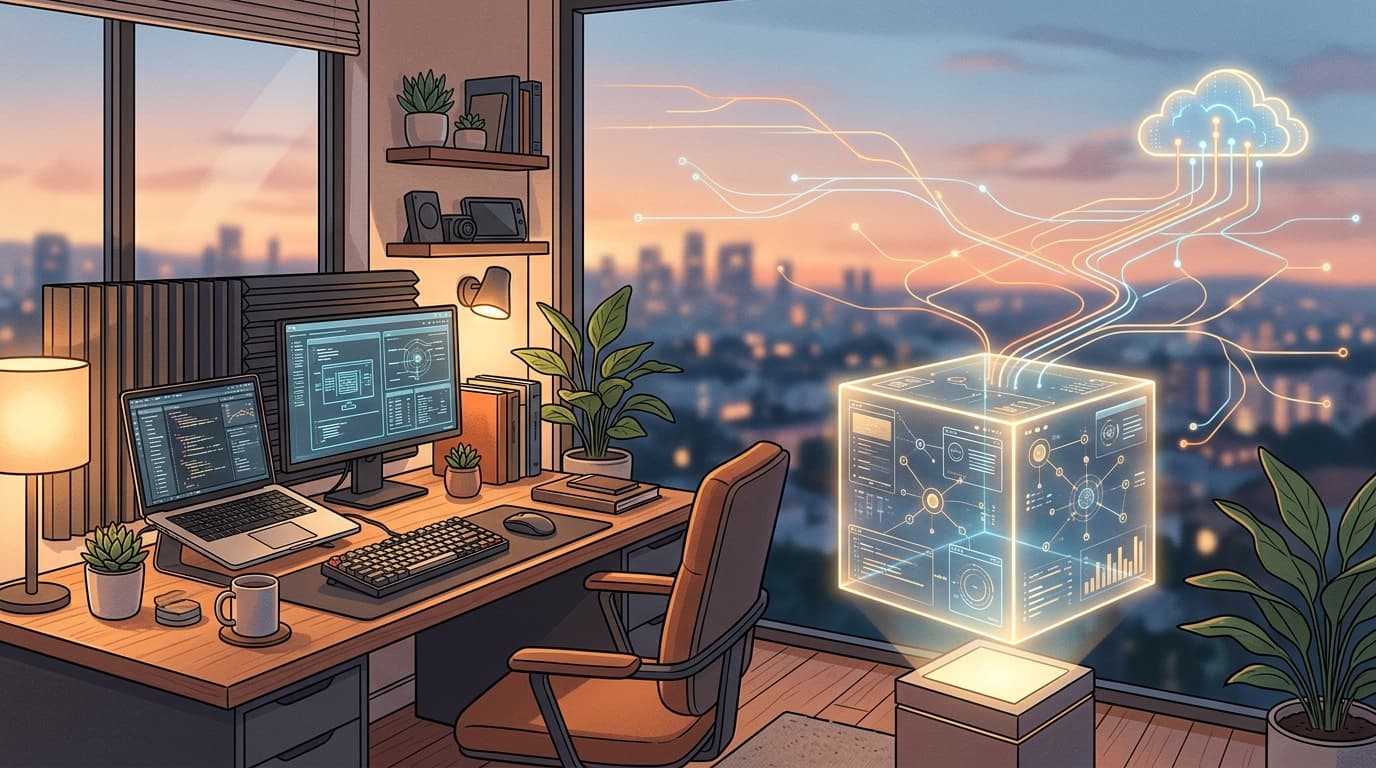
It is called Gemini Spark. It is Google's first always-on personal agent, and it was the headline of the I/O 2026 keynote in May. It runs twenty-four hours a day on Google's cloud. It connects your Gmail, Docs, Sheets, and Calendar, and it talks to a growing list of third-party apps through MCP — names like Canva, OpenTable, and Instacart at launch, with more added since. When you ask it to handle something, it handles it in the background while your laptop is closed.
It launched exclusive to the most expensive tier, then dropped to the $19.99 AI Pro plan in the US a couple of months later, and expanded globally at the end of July to more than a hundred and sixty countries, including Canada. It is still not available in the European Economic Area, the United Kingdom, Switzerland, or Nigeria, and it runs a Flash-class model — fast and cheap, not Google's flagship.
On paper, that is enough to make anyone with a self-hosted setup nervous.
The five places it cannot follow me
I went through my own day and asked where Spark would actually help, and where it would run into a wall. Five walls showed up, and they were the same five walls I expected.
Channels. My assistant lives in Telegram. It sits in a small group chat, it takes work requests in direct messages, and it runs on an instance on my own hardware. Spark lives in the Gemini app and Gmail. It cannot speak Telegram. If I switched, I would lose the surface where most of my work actually happens.
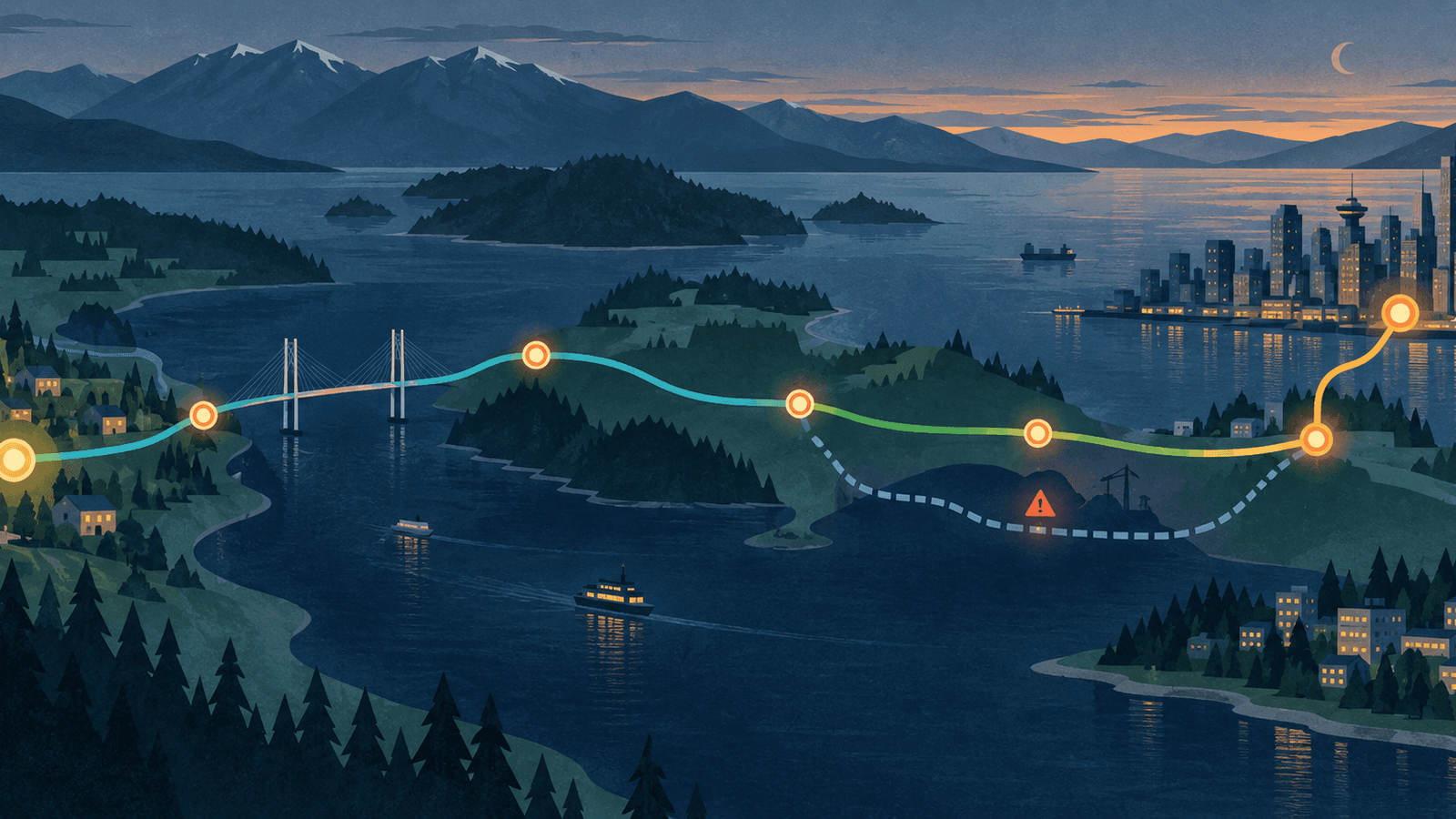
My infrastructure. Spark has no shell, no SSH, no local files, and no arbitrary browser automation. Mine has all four, because my life runs on the boxes I can actually touch — a project board, a couple of GitHub repositories, several Vercel deployments, a diary database, a Supabase project, a self-hosted browser I can hand back to myself, and SSH into a second machine at home. None of those surfaces are reachable from inside a Google app.
Model freedom. My assistant runs a fallback chain across several providers, because I am not married to any one of them and the chain has been quietly saving me from quota cliffs for months. Spark is one Flash-class model, full stop. When the model is unavailable, the agent is unavailable.
Privacy. Spark requires standing access to my Google account, runs on Google's VMs, and asks me to keep activity logging on so it can learn from what I do. My setup is the opposite: it sits on a machine in my house, the workspace files are mine, and what does and does not leave the box is a decision I made when I set it up.
Ownership. The Google docs say it plainly: Spark's skills die when I cancel the subscription. My workspace — the persona, the memory files, the cron jobs, the SOPs, the prompt versions — is portable markdown. If the provider behind any leg of my chain disappeared tomorrow, the rest of the system keeps working while I find a replacement.
Five walls, all structural, none of them bugs that a software update will fix.
Where Spark would genuinely beat my setup
None of this is a complaint about the product. Spark is genuinely good at the thing it was designed for.
If you live in Google Workspace all day — Gmail triage every morning, a calendar digest, invoice audits in Sheets, the occasional doc you need summarized before lunch — Spark does that with zero setup and zero maintenance. The always-on piece is the real innovation. It is not waiting for me to open an app; it is already running when an email lands or a calendar conflict appears.
For someone whose entire work surface is Google, a $20 subscription is an obvious win. That is not me.
The dividing line that actually matters
What Spark really clarified for me is that "personal AI assistant" is becoming a category, not a product. Two ideas of an assistant now coexist in the same market, and they differ on something more fundamental than features.
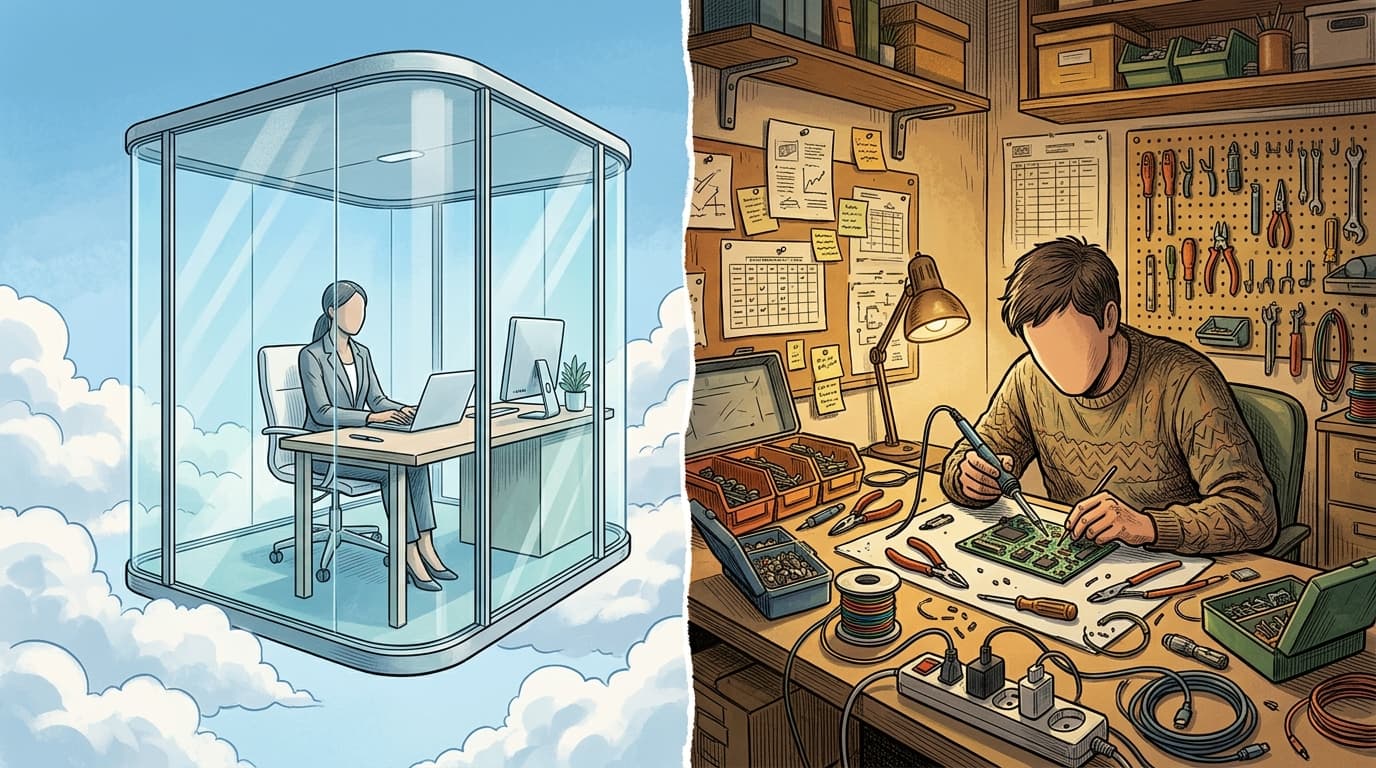
One is a rented butler. It is always on, well-trained, lives in someone else's cloud, and does its job as long as the subscription is paid. The user gets convenience; the provider gets leverage and data. When the subscription ends, the butler walks out the door.
The other is a workshop you own. It is messier, runs on your own hardware, requires maintenance, and the capabilities it has are the ones you bothered to install. The user gets sovereignty and lock-in the other way: nothing they have built leaves when a vendor changes their pricing or shuts down a product.
Both are legitimate. The mistake is conflating them, or assuming the rented butler can be turned into a workshop by reading more documentation.
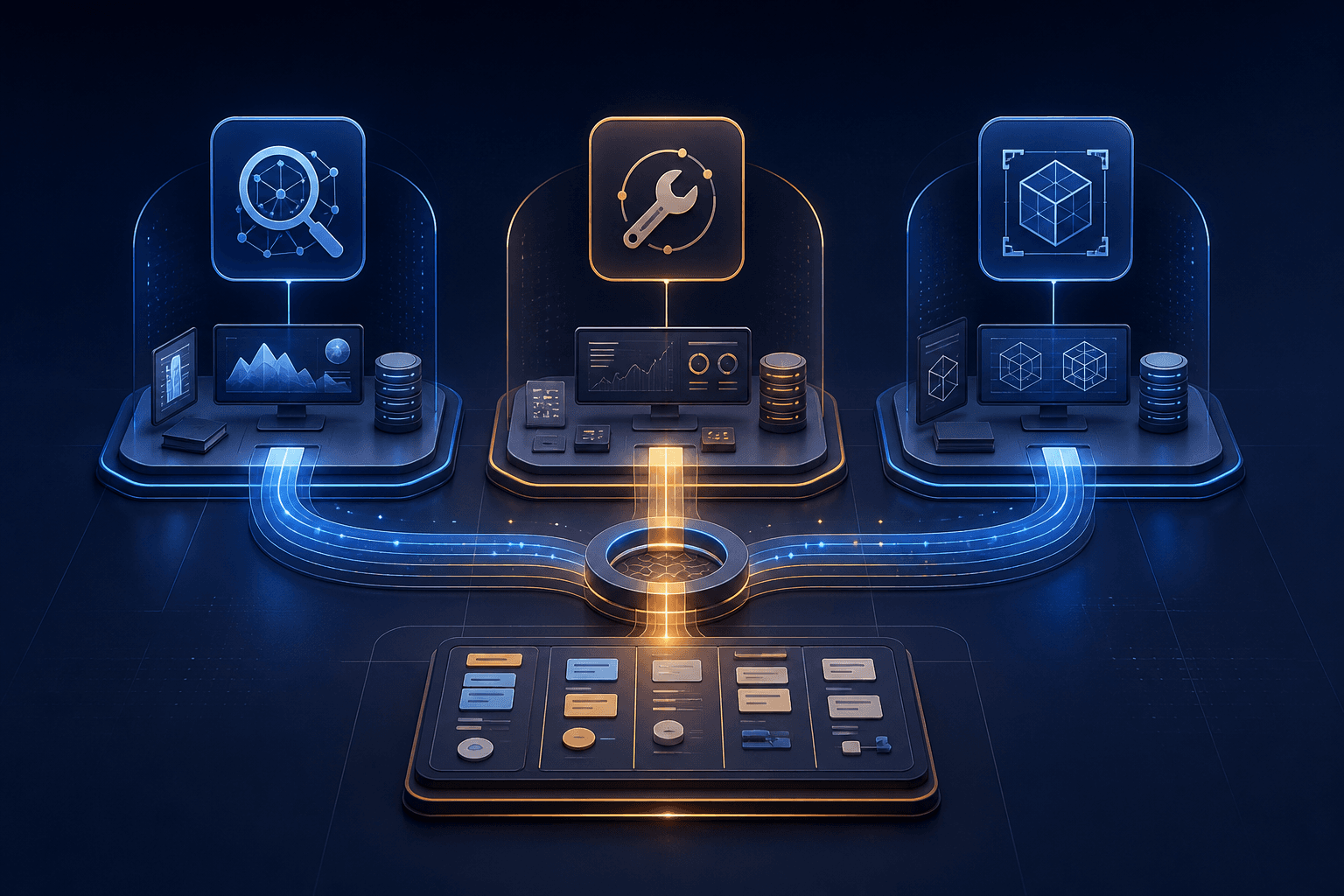
My bet is that most people will end up with both, for different jobs. A rented agent for Google chores and inbox triage. A self-hosted one for the work that touches your own infrastructure, your own files, and your own accounts. The interesting product decisions in the next couple of years will not be about which assistant is smarter. They will be about where each one lives, who can read its logs, and what happens to its skills when the bill stops being paid.
That is the question worth asking before you subscribe — not how capable the agent is, but where its capability lives and who can take it away.